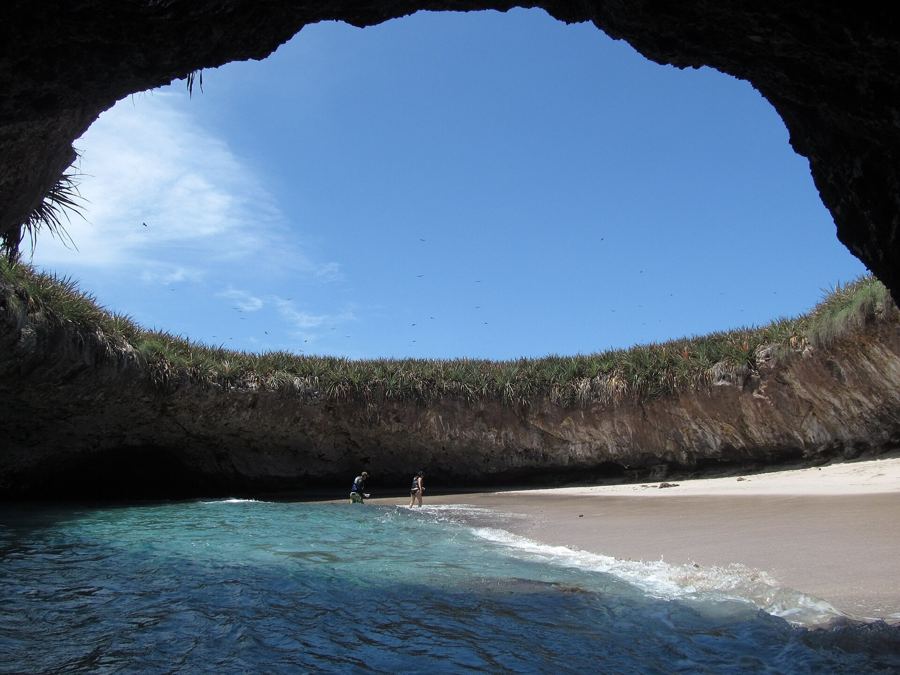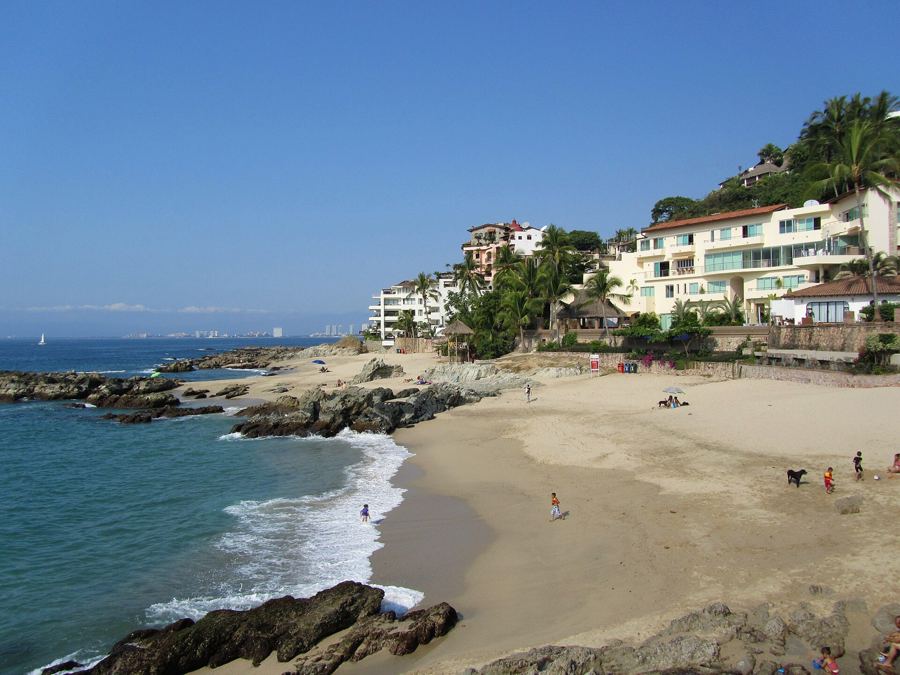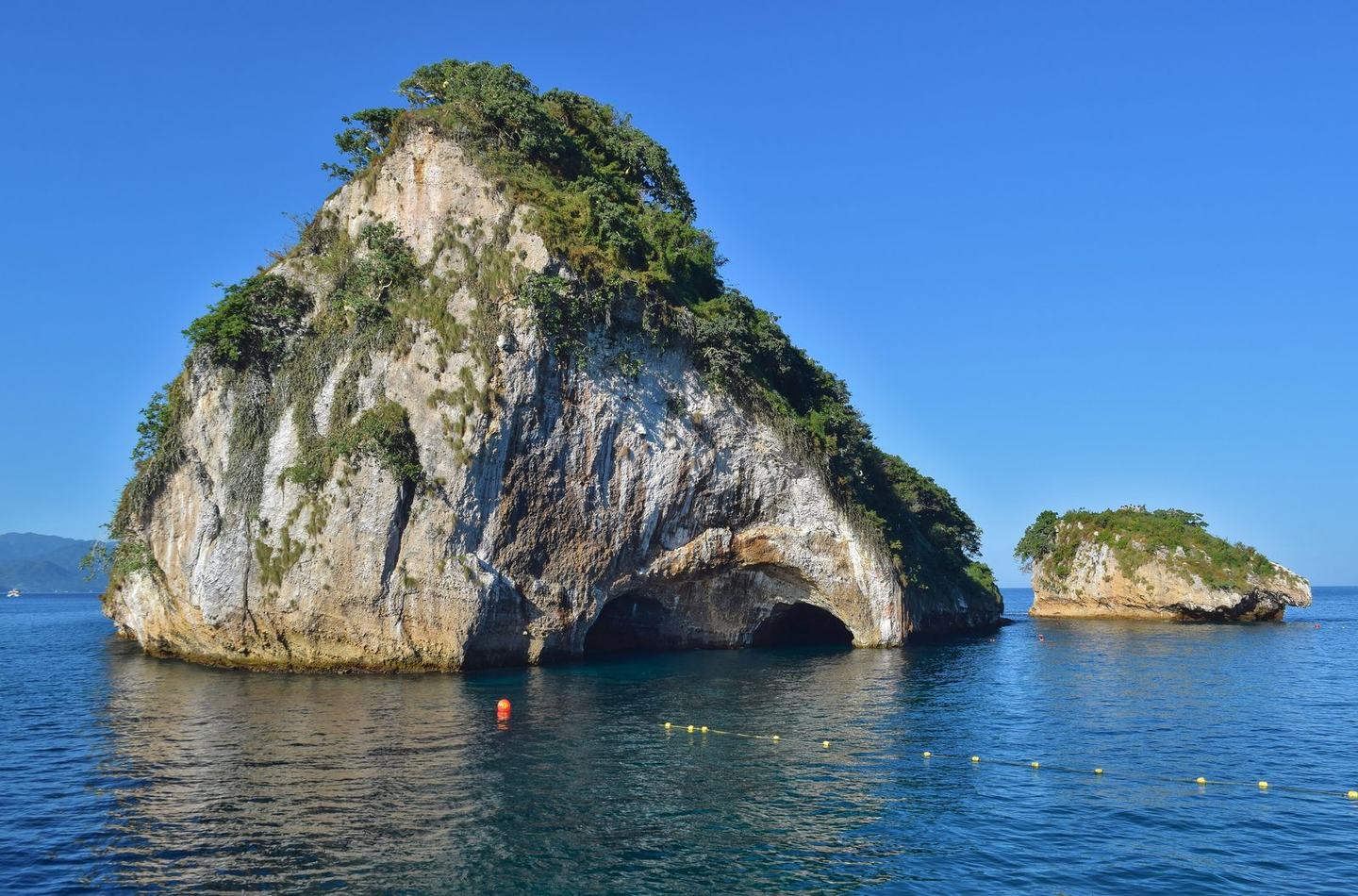
Five steep granite islets rising off Mismaloya Beach, pierced by sea caves and a dramatic boat-width archway, make Los Arcos de Mismaloya Puerto Vallarta's easiest half-day ocean outing. Unlike Islas Marietas further out in the bay, Los Arcos has no daily visitor permit cap — though understanding its real rules, currents, and morning visibility window makes a big difference.
Protected-area rules & the "Marine Park" myth
Everyone calls it Parque Nacional Marino Los Arcos, but legally it is not a federal CONANP National Marine Park (ANP) with entry quotas or CONANP bracelets:
- 1975 federal fishing ban: Protection stems from a July 28, 1975 Diario Oficial de la Federación (DOF) agreement declaring Los Arcos a marine flora and fauna refuge zone, outlawing fishing and harming marine species. (Nearby Santuario Playa Mismaloya is a separate CONANP coastal nesting-beach sanctuary for sea turtles.)
- No CONANP wristband fee: Unlike Marietas, swimmers do not pay a federal ANP park admission wristband, though Marina Vallarta departures charge a standard municipal pier fee.
- Rules on the water: Under local marine cooperative Buenas Prácticas agreements and municipal rules, boats must stay outside nesting rock ledges (10 m clearance around caves/arches), respect the 5-mph slow zone inside the yellow buoys, never drop anchor on rocks/reef, and prohibit climbing onto the islets, drones, loud music, or feeding/touching turtles, rays, and fish.
Three ways to visit Los Arcos compared
| Option | Departure point | Typical duration & price | Best for | Watch out for |
|---|---|---|---|---|
| Mismaloya or Boca panga | Mismaloya Beach (~10 min boat) or Boca de Tomatlán (~15 min) | 1–2 hrs flexible; negotiate per boat/hour in pesos | Independent snorkelers staying south or on a budget | Verify vest + ladder + lifejackets before boarding; settle fare in pesos upfront |
| Guided Snorkel or Glass-Bottom Tour | Playa Los Muertos pier or Marina Vallarta | 2–4 hrs; $40–$54 USD per person | First-timers, kids, or travelers without own mask/fins | Afternoon boats hit more wind chop and tour-boat traffic |
| Sea Kayak or 2-Tank Scuba | Playa Los Muertos / Boca de Tomatlán | 3–4.5 hrs; $48 USD kayak / $110 USD certified dive | Active paddlers & certified divers (El Bajo deep wall drop-off) | Kayaking into south-bay afternoon wind takes shoulder stamina |
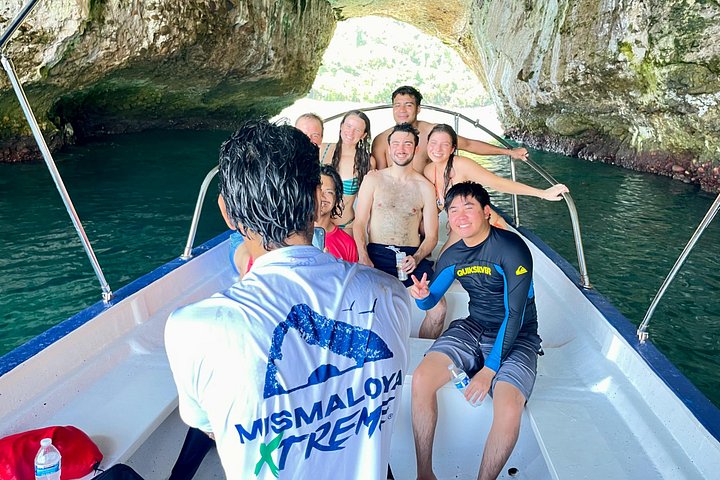 Los Arcos Snorkeling Tour
★ 4.8 · 41 reviews · from $50 USD · 4 h
✓ Free cancellation
Check availability →
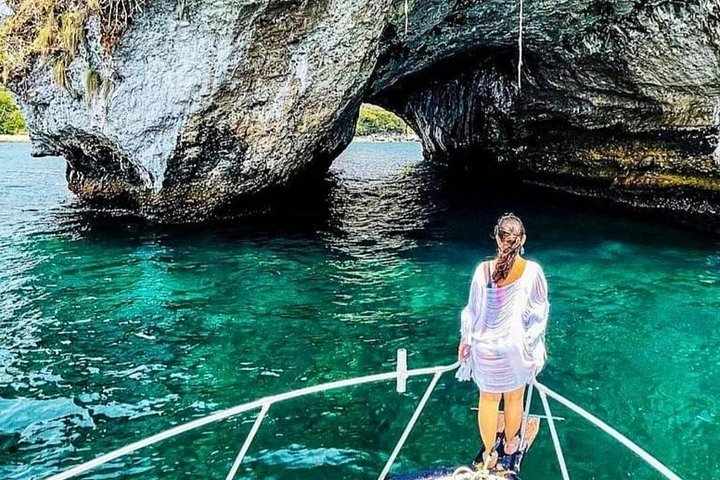 Glass-Bottom & Sightseeing Boat — Los Arcos
★ 4.7 · 1,369 reviews · from $48 USD · 2 h
✓ Free cancellation
Check availability →
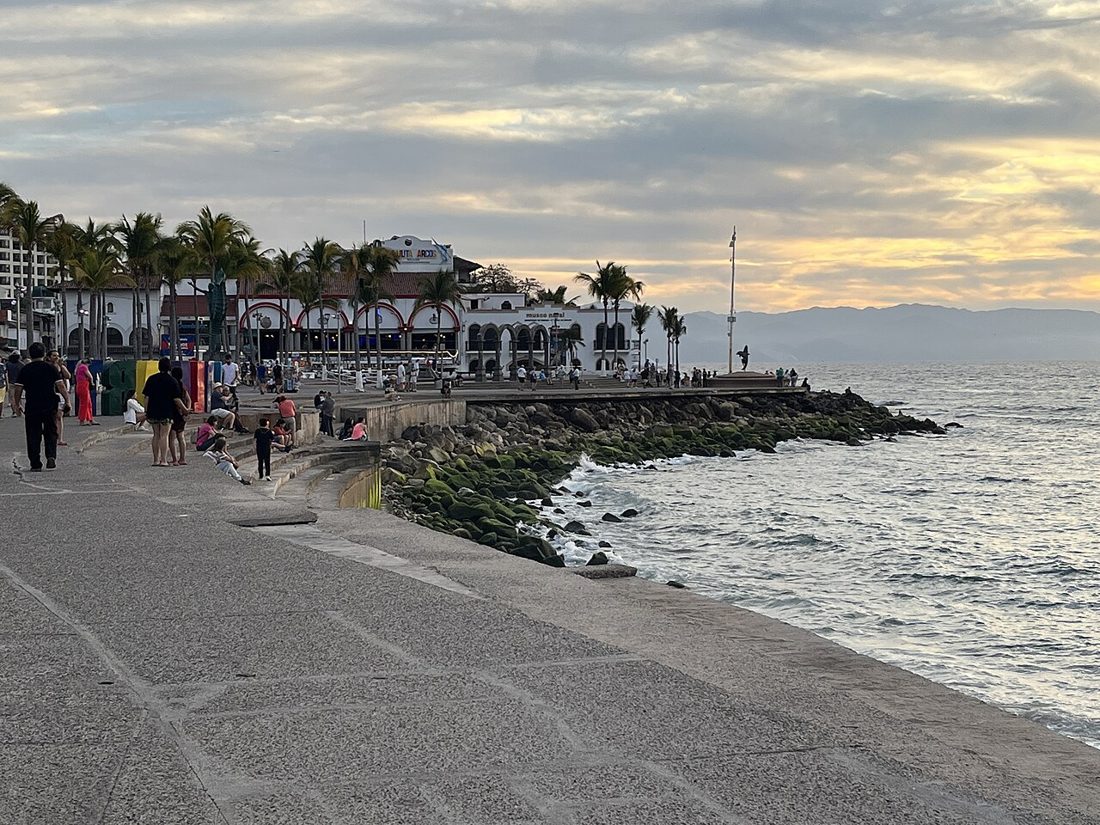 SeaTrek Helmet Dive — Los Arcos
from $95 USD · 3 h
✓ Free cancellation
Find the operator →
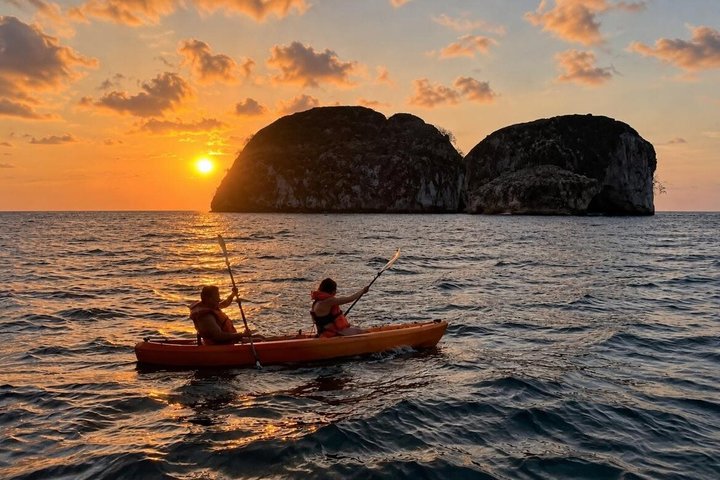 Sea Kayak — Los Arcos & Mismaloya
from $50 USD · 3 h
✓ Free cancellation
Check availability →
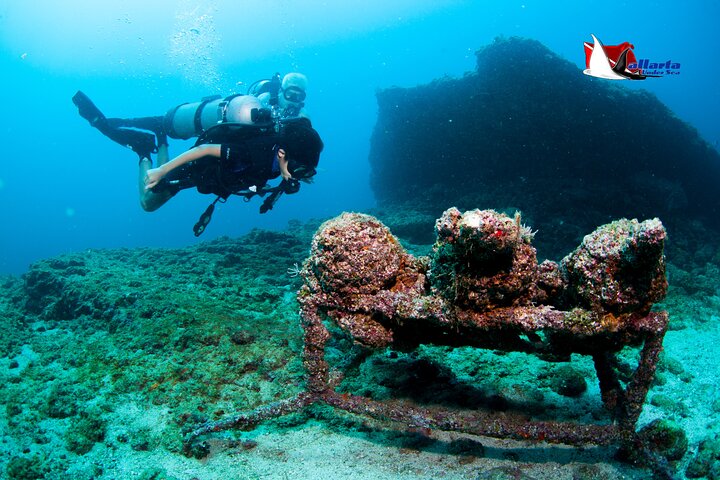 Scuba Diving — Los Arcos (2 Tanks)
★ 4.8 · 113 reviews · from $106 USD · 4.5 h
✓ Free cancellation
Check availability →
How to reach Mismaloya by orange bus vs Uber
If you prefer organizing a local panga directly from shore rather than booking an all-inclusive marina boat:
- By south-zone city bus (~20 min): Walk to the corner of Basilio Badillo and Constitución in Zona Romántica and board an orange-and-white bus signed Mismaloya / Boca de Tomatlán on the windshield. Carry small peso bills/coins ($11 MXN urban base; ask the driver for the Mismaloya stop — drivers call out the stone archway entrance above the beach).
- By Uber or taxi (~15–25 min): Quick direct drop at Playa Mismaloya's beach entrance; return Ubers wait along Highway 200 or pick up near the cove most afternoons, though carry cash as backup if phone signal dips in the cove.
What sea life and snorkel spots you'll see
Instead of shallow coral gardens, Los Arcos drops steeply along submerged granite boulders, tunnels, and vertical walls:
- The Main Archway & Buoy Zone: Shallow to mid-depth boulders shelter king angelfish, Cortés rainbow wrasse, sergeant majors, balloonfish, and yellowtail surgeonfish; look carefully under overhangs for spotted eagle rays and green sea turtles.
- Devil's Canyon & La Pared (for divers): On the seaward side, granite walls plunge past 20–35+ meters for certified scuba outings.
- Reef-safe sun protection: Wear a long-sleeve UV rashguard instead of slathering chemical sunscreens right before entering the refuge zone, and keep fins horizontal so you don't kick barnacles or stony sponges.
Underwater visibility & water temperature by season
Local sea conditions swing dramatically between Puerto Vallarta's dry winter and rainy green season:
- Best visibility (Nov – May): Under WMO normals, Puerto Vallarta gets just 0.2 to 2.2 rain days per month from November through April, leaving mountain creeks dry and horizontal bay visibility often at 12–20 m (40–65 ft). Sea temperatures sit coolest in March–April around 24.5–24.6°C (76°F) and warmer in November (28.7°C / 84°F) — pack a rash guard or 2–3 mm shorty if you chill easily in winter. Dec–Mar snorkelers occasionally hear distant humpback whale songs underwater.
- Warmest water, changeable clarity (Jun – Oct): Summer sea temps peak between 29.3°C and 31.4°C (85–88°F), so no wetsuit is needed. However, 187–370 mm/month of afternoon tropical rain washes silt down Mismaloya Creek and nearby Sierra rivers; right after heavy storms, surface runoff drops clarity to a few feet until sediment settles. Even during summer plankton blooms, sea turtles, spotted eagle rays, and reef fish stay active.
- Golden rule year-round: Aim for the water between 8:00 AM and 10:30 AM before late-morning sea breeze turns surface water choppy and multi-boat crowds arrive.
Water safety & realistic expectations
Los Arcos looks calm from shore, but the islets sit over deep granite walls (15–30 m+) rather than a shallow sandy lagoon:
- Wear a flotation vest even if you swim well: Bay currents wrap around the rock channels, and sudden swell can push swimmers toward barnacle-covered granite ledges inside the main arch.
- Keep clear of boat lanes: Look up often; stay inside the buoyed snorkel drop zone away from panga propellers circling the rock faces.
- Check morning beach conditions first: South-bay swells roll directly through the arches on windy winter or hurricane-season days — skip swimming through the narrow caves whenever swell breaks white against the rocks.