Puerto Vallarta's beaches range from busy city sand with beach clubs to small coves reachable only by boat. Here's how they compare — and what the official testing says about the water.
What the water tests say
Mexico's federal health regulator, COFEPRIS, samples beach water before the Easter and summer holidays, measuring enterococci (bacteria linked to sewage).
- Easter 2026: all ten Puerto Vallarta beaches sampled — Yelapa, Quimixto, Las Ánimas, Mismaloya, Las Gemelas, Los Muertos, Cuale, Oasis, Las Palmas and Camarones — were fit for recreational use, with levels of 10–29 per 100 mL.
- Summer 2026: Playa del Cuale, at the mouth of the Cuale River, exceeded the limit of 200 per 100 mL and was rated unsuitable. The other Puerto Vallarta beaches tested passed.
The pattern is common sense: water near river mouths is the most affected, especially after rain.
The city beaches
Playa Los Muertos (Zona Romántica)
The busiest beach in town, lined with restaurants and beach clubs, with the sail-shaped pier where water taxis leave for the south shore. The southern end, by Blue Chairs, is the city's best-known LGBTQ+ beach.
Playa Camarones (near Centro)
A long stretch north of the Malecón. It holds Blue Flag certification for the 2025–26 season — an international label awarded in Mexico by FEE that covers water quality, environmental management, safety and services.
Marina Vallarta and the Hotel Zone
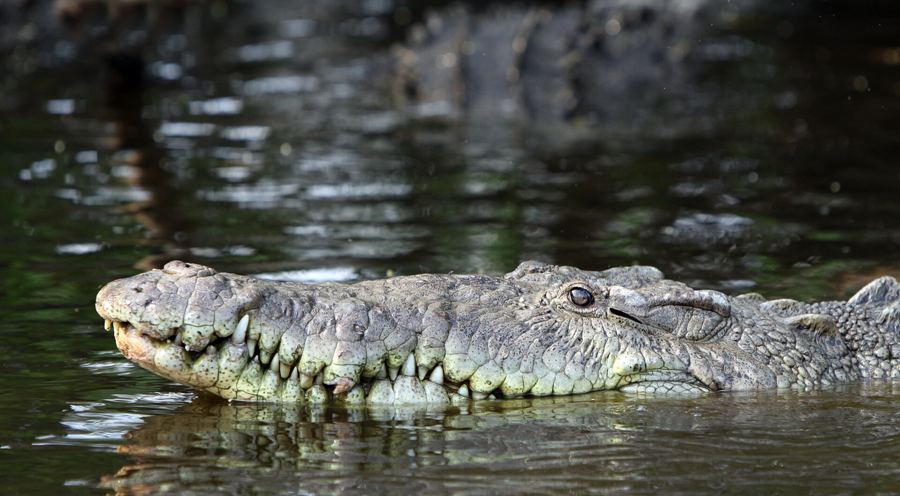
Long beaches in front of the resort hotels. Check the advisories here: in August 2026, Civil Protection advised against entering the water at the Westin Regina and Marriott beaches because of crocodiles, after a fatal attack near the Marriott in June 2026.
Crocodiles: where they are and how to stay safe→The south shore
Along the coast road south of the Zona Romántica, small coves sit below the hills:
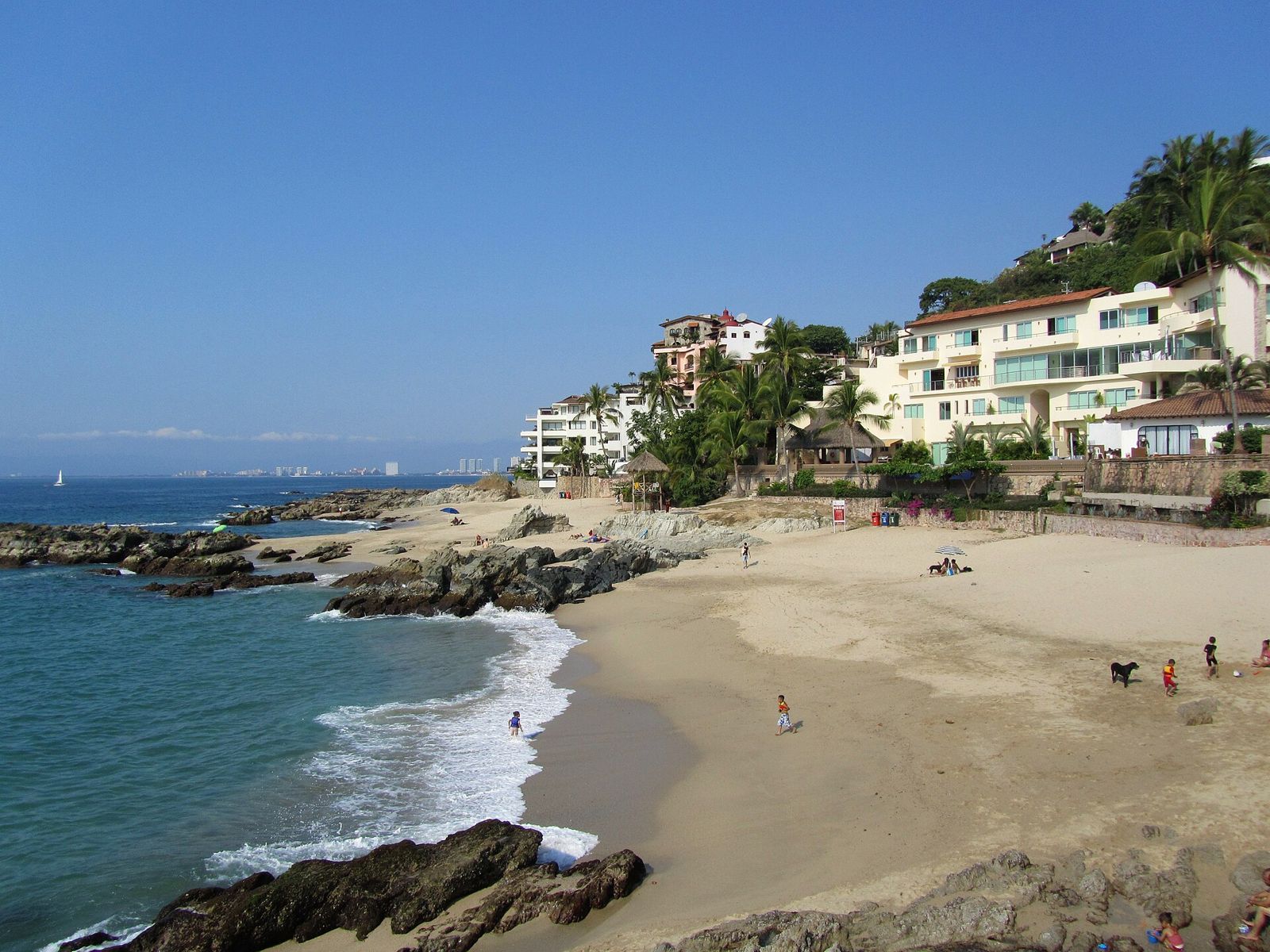
- Conchas Chinas — rocky coves and sand just south of town.
- Las Gemelas — twin coves on the road to Mismaloya.
- Mismaloya — a cove with a small village and restaurants, below the jungle.
Beaches you reach by boat
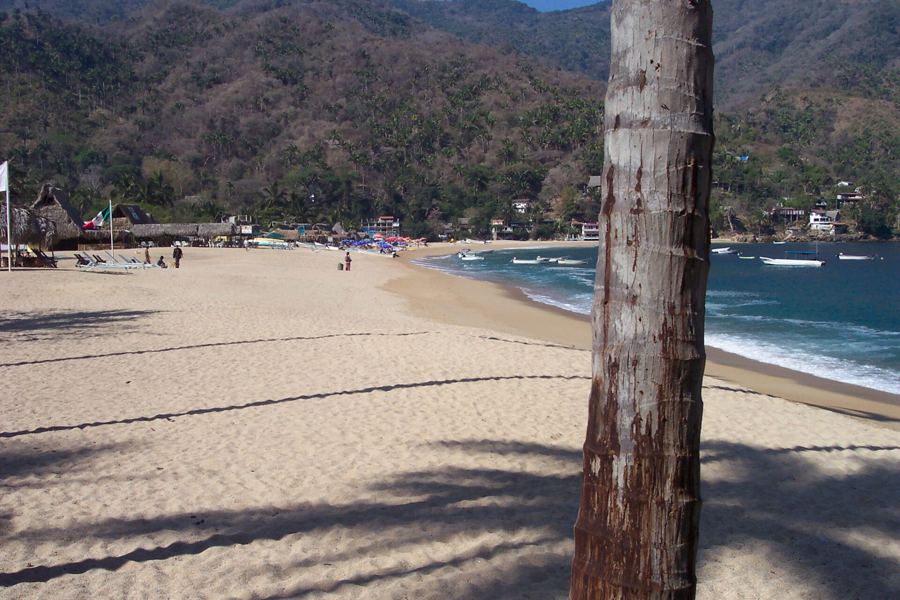
Las Ánimas, Quimixto and Yelapa have no road access — water taxis run from Boca de Tomatlán and Los Muertos pier. All three passed the Easter 2026 water testing.
Getting to Yelapa: water taxis and times→How to choose a safe spot
- Check the flags. Red means no swimming; purple means dangerous wildlife has been reported.
- Stay away from river mouths — for water quality and because crocodiles move along them.
- Check today's waves and wind before you go; swell changes beaches fast, especially for kids.
- Ask a lifeguard where they are present.