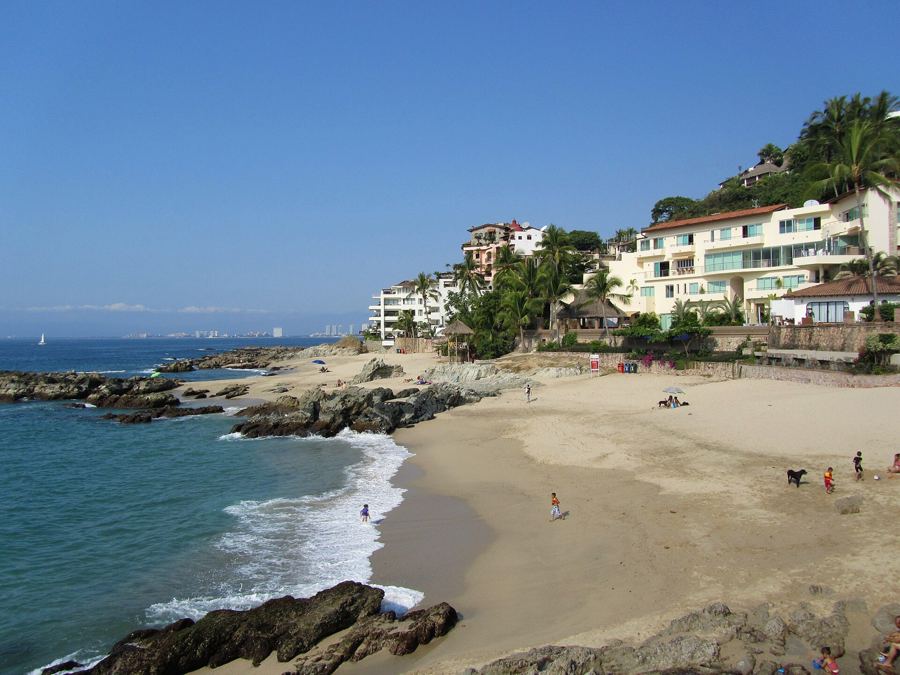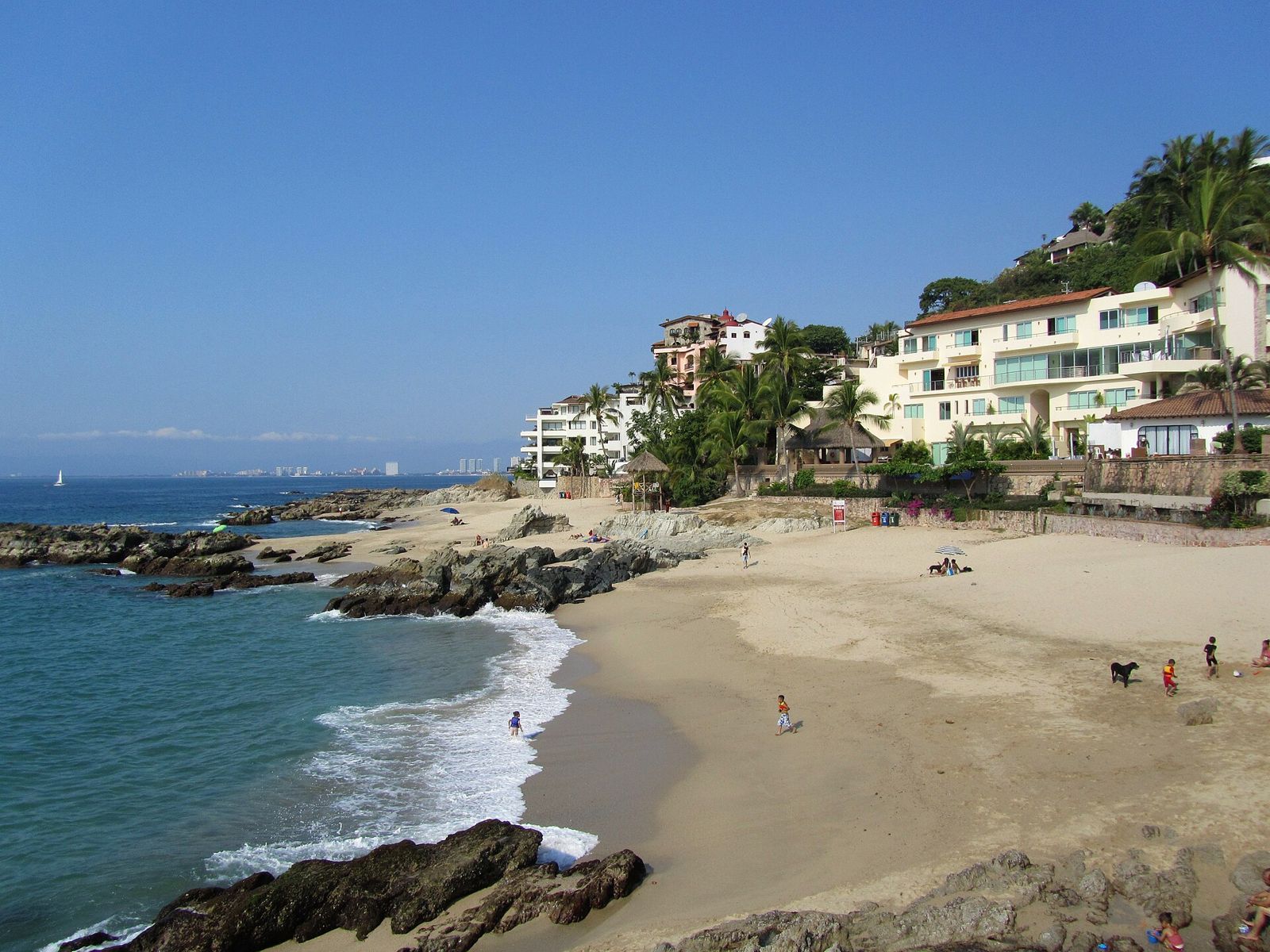
Banderas Bay is one of the world's deepest and most sheltered natural bays, but ocean dynamics vary drastically from tranquil south coves to heavy Pacific surf breaks. Here is the official field safety guide to swimming, beach flags, and marine life in Puerto Vallarta for 2026.
🖨️ Quick Ocean Safety Field Card
<div style="background:linear-gradient(135deg, #0D1A33 0%, #1A365D 100%); color:#ffffff; border-radius:14px; padding:20px 24px; margin:24px 0; border:1px solid rgba(255,255,255,0.15); box-shadow:0 10px 25px -5px rgba(0,0,0,0.2);"> <div style="display:flex; justify-content:space-between; align-items:flex-start; flex-wrap:wrap; gap:12px;"> <div> <span style="background:rgba(224,111,69,0.9); color:#fff; font-size:0.75rem; font-weight:700; padding:3px 10px; border-radius:20px; text-transform:uppercase; letter-spacing:0.05em;">Vallarta.pro Official Field Card</span> <h3 style="color:#ffffff; margin:8px 0 4px; font-size:1.35rem; font-weight:600;">Beach Safety & Flag System</h3> <p style="color:rgba(255,255,255,0.8); margin:0; font-size:0.9rem;">Protección Civil 5-Flag Decoder · Marine Life Protocols · Swimmability Index</p> </div> <div style="display:flex; gap:10px; align-items:center;"> <button type="button" onclick="window.print()" style="background:#ffffff; color:#0D1A33; border:none; padding:8px 14px; border-radius:8px; font-weight:600; font-size:0.85rem; cursor:pointer; display:inline-flex; align-items:center; gap:6px;"> 🖨️ Print / Save PDF </button> <button type="button" id="btn-copy-beach" onclick="copyBeachSafetyCheatSheet()" style="background:rgba(255,255,255,0.15); color:#ffffff; border:1px solid rgba(255,255,255,0.3); padding:8px 14px; border-radius:8px; font-weight:600; font-size:0.85rem; cursor:pointer; display:inline-flex; align-items:center; gap:6px;"> <span id="copy-beach-text">🤖 Copy Cheat Sheet for Notes / AI</span> </button> </div> </div> </div>
<script> function copyBeachSafetyCheatSheet() { var text = [ "# Puerto Vallarta 2026 Beach Safety & Flag System Cheat Sheet", "Source: https://vallarta.pro/journal/puerto-vallarta-beach-safety-and-flag-cheat-sheet", "", "## 5-Color Flag System (Proteccion Civil)", "- GREEN FLAG: Ocean is calm. Ideal conditions for swimming.", "- YELLOW FLAG: Caution. Moderate waves or current. Weak swimmers stay shallow.", "- RED FLAG: High danger. Swimming prohibited (heavy surf or rip tides).", "- BLACK FLAG: Beach closed. Extreme emergency (storm surge / search & rescue).", "- PURPLE FLAG: Dangerous marine fauna in water (jellyfish blooms, stingrays). No swimming.", "", "## Best Calm Swimming Beaches (Kids & Toddlers)", "- Playa Mismaloya: Sheltered cove, virtually zero swell, kayak rentals.", "- Playa Las Gemelas: Clear turquoise waters, soft white sand, gentle slope.", "- Playa Conchas Chinas: Protected granite rock tide pools, natural wading basins.", "- Playa Palmares: Blue Flag certified, accessible ramps, clean facilities.", "", "## Dangerous Shorebreak & Non-Swimmable Zones", "- San Pancho: Heavy Pacific shorebreak & steep undertow. Adults frequently knocked over.", "- Sayulita Main Beach: Active surf break. Watch for board collisions.", "- Cuale & Pitillal River Mouths: Murky run-off and occasional crocodile presence after rain.", "", "## Marine Life Field Protocols", "- Stingray Shuffle: Nov–April, drag your feet along sandy bottom to alert resting rays.", "- Jellyfish Care: Rinse ONLY with ocean saltwater or vinegar. NEVER fresh water or urine.", "- Rip Current Escape: Never swim against current; swim parallel to shore until free." ].join("\n");
if (navigator.clipboard && navigator.clipboard.writeText) { navigator.clipboard.writeText(text).then(function() { var el = document.getElementById("copy-beach-text"); if (el) { el.textContent = "✓ Copied to clipboard!"; setTimeout(function(){ el.textContent = "🤖 Copy Cheat Sheet for Notes / AI"; }, 3000); } }); } } </script>
1. The 5-Color Beach Flag Decoder
Protección Civil y Bomberos lifeguards monitor all major public beaches in Puerto Vallarta. Always check the flag tower before entering the water:
| Flag Color | Official Meaning | Ocean Conditions | Traveler Action |
|---|---|---|---|
| 🟢 Green Flag | Safe / Safe to Swim | Calm surface, minimal swell, no dangerous currents detected | Excellent for all swimmers, snorkeling, and small children |
| 🟡 Yellow Flag | Caution / Precaución | Moderate shorebreak, changing tides, or light offshore current | Swimmers stay alert; children must wear life jackets and stay ankle-deep |
| 🔴 Red Flag | Danger / No Swimming | Heavy breakers, powerful undertow, or sudden drop-offs | Swimming strictly prohibited; stay on dry sand |
| ⚫ Black Flag | Closed / Clausurada | Extreme emergency, hurricane swell, toxic spill, or active rescue | Beach completely closed to the public by municipal order |
| 🟣 Purple Flag | Harmful Marine Fauna | Jellyfish bloom (aguamala), stingray concentration, or marine wildlife | Water entry prohibited until wildlife disperses |
2. Beach-by-Beach Swimming Safety Index
Banderas Bay features dramatically different wave conditions depending on topography and orientation:
| Beach Name | Location / Zone | Swell & Wave Profile | Swimmability Index | Best For |
|---|---|---|---|---|
| Playa Mismaloya | South Coast (Km 11.5) | Sheltered mountain cove with minimal wave energy | 🟢 Ideal for All Ages | Toddlers, stand-up paddleboarding, relaxed swimming |
| Playa Las Gemelas | South Coast (Km 7.5) | Turquoise cove with gentle to moderate waves | 🟢 Very Good | Sunbathing, bodysurfing, soft sand wading |
| Playa Conchas Chinas | Lower Amapas | Natural granite rock formations forming tide pools | 🟢 Calm in Basins | Toddlers exploring tide pools, snorkeling near rocks |
| Playa Palmares | South Coast (Km 6.5) | Wide golden strand with Blue Flag certification | 🟢 Good / Family Friendly | Clean facilities, wheelchair ramps, reliable lifeguards |
| Playa Camarones | 5 de Diciembre | Clear water, but bottom drops off steeply 10 feet out | 🟡 Moderate / Competent | Adults, beach volleyball, ocean distance swimming |
| Playa Los Muertos | Zona Romántica | Active chop, beach break, and boat traffic near pier | 🟡 Moderate | Wading, social palapa dining; watch for pangas |
| Playa Olas Altas | Zona Romántica | Name means "high waves"; energetic shorebreak | 🟡 Caution | Experienced bodysurfers; not safe for small kids |
| Sayulita Main Beach | Riviera Nayarit | Shallow sand bottom with regular surfing swells | 🟡 Surf Zone | Beginner surf lessons; watch out for beginner boards |
| Playa San Pancho | Riviera Nayarit | Direct Pacific exposure with heavy shorebreak & rip | 🔴 High Danger | Sunset strolls only; non-swimmers must stay out of water |
3. Marine Life Field Protocols
Encountering marine life in Banderas Bay is a privilege of visiting a biodiverse Pacific sanctuary. Follow these three field rules:
1. The "Stingray Shuffle" (November to April)
During the cooler winter and spring months, harmless round stingrays rest under a dusting of warm sand in the shallows to absorb sunlight.
- The Danger: Stepping directly down on top of a ray compresses its spine, causing its defensive tail barb to reflexively strike your ankle.
- The Rule: Never step down with heavy heel strikes. Instead, slide or drag your feet forward along the sand bottom like you are wearing skis. The sand spray alerts the ray, which will glide safely away.
2. Jellyfish (Aguamala) First-Aid Protocol
Seasonal currents occasionally bring small harmless thimble jellyfish or stinging sea nettles into the bay, triggering the Purple Flag.
- What to Do:
- What NEVER to Do: Never rinse with fresh tap water, apply ice, or use urine. Fresh water causes unfired nematocysts to rupture, releasing more venom into the skin.
1. Exit the water immediately. 2. Rinse generously with ocean saltwater or household vinegar. Vinegar deactivates the venom capsules (nematocysts). 3. Gently scrape off clinging tentacles using the edge of a credit card or sea shell. 4. Soak the area in hot water (as hot as tolerable) for 20 minutes to denature the protein toxin.
3. River Mouth Safety & Crocodile Awareness
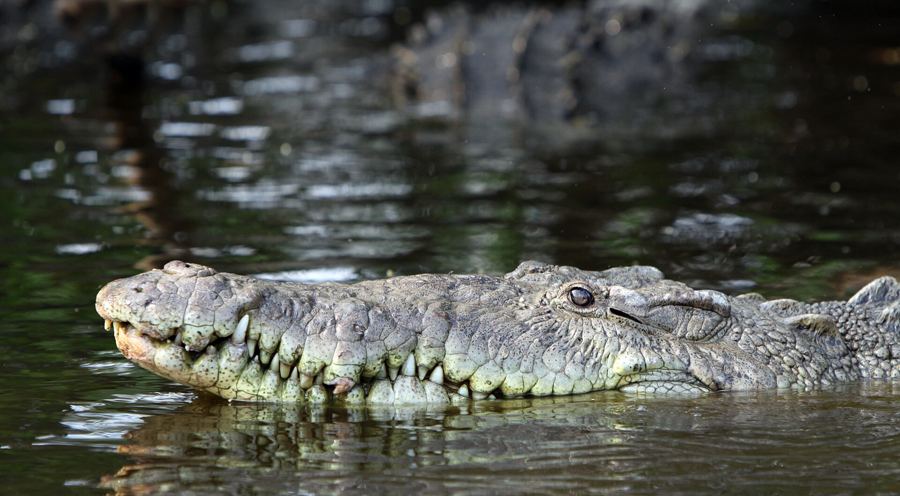
Banderas Bay is home to the American Crocodile (Crocodylus acutus), which inhabits protected mangrove estuaries like El Salado and coastal rivers.
- Where to Be Cautious: Avoid swimming near the Río Cuale or Río Pitillal river mouths, especially during the summer rainy season (July to October) when heavy rains flush debris and river waters into the sea.
- Night Rule: Never swim in the ocean or walk riverbanks between dusk and dawn.
4. How to Escape a Rip Current
Rip currents are narrow, fast-moving channels of water flowing rapidly away from the shore, often appearing as calm, darker water between breaking waves:
1. Don't Panic: Rip currents will not pull you under water; they only carry you away from the beach. 2. Never Swim Against the Current: Fighting the pull directly back to the beach exhausts even Olympic swimmers in minutes. 3. Swim Parallel to Shore: Swim sideways, parallel to the shoreline, to escape the narrow neck of the rip current (usually only 30 to 50 feet wide). 4. Float & Signal: Once out of the pull, angle back toward breaking waves, which push you toward shore. If exhausted, float on your back and wave one arm to summon lifeguards.
Read the complete Puerto Vallarta traveler safety & emergency directory→ Check today's live water temperature, swell & flag conditions at /beach→