Yes, Puerto Vallarta has crocodiles. Knowing where they live, when they move and what the beach flags mean is what keeps you safe.
Which crocodiles, and where they live
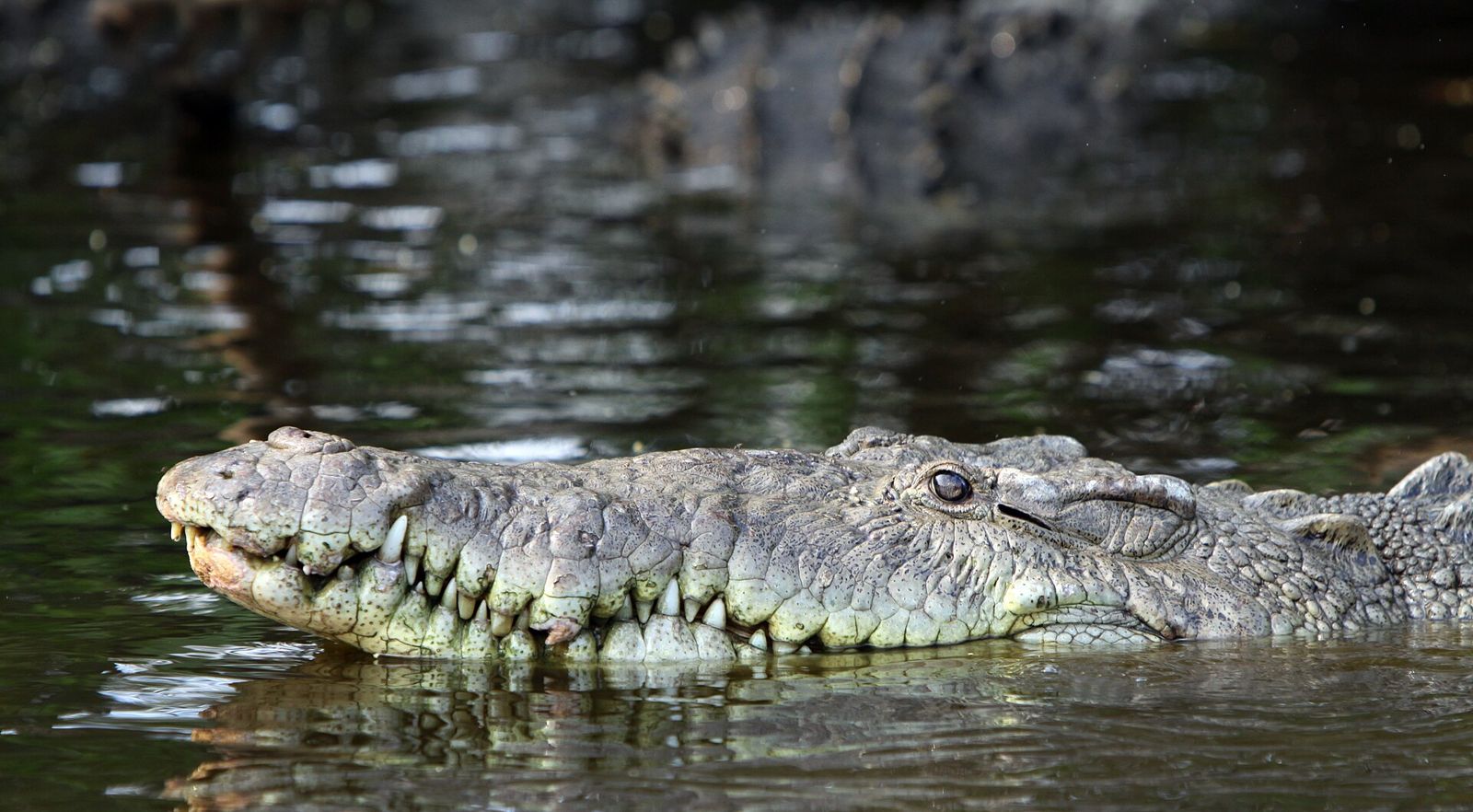
The species here is the American crocodile (Crocodylus acutus). It lives in the bay's estuaries, river mouths, mangroves, canals and wetlands — places like the Ameca River and the Boca Negra estuary in the north, and the canals, lagoons and golf course around Marina Vallarta, which gets frequent reports.
State environmental authorities have said there's no overpopulation. What has changed is the habitat: urban growth has squeezed wetlands like El Salado, and crocodiles use the sea to move between the patches that remain. That's why they sometimes turn up on a beach — or, as happened in September 2026, on a city avenue.
When the risk is higher
- The rainy season (roughly June to October): rivers and estuaries swell and carry crocodiles toward beaches and recreation areas.
- Dawn, dusk and night, when they're most active.
- Near any river mouth or estuary, at any time of year.
The beaches authorities flagged
In August 2026, Puerto Vallarta's Civil Protection named five zones where people shouldn't go in the water because of crocodile risk:
- the Cuale River mouth (between Centro and the Zona Romántica beachfront)
- the Pitillal River mouth, near Playa del Holly
- Westin Regina beach
- Marriott beach
- Boca Negra beach
These lists change with conditions. The flags on the beach are the live version.
What the beach flags mean
- Red flag: no swimming, full stop.
- Purple flag: dangerous marine wildlife has been reported.
If you see either, stay out of the water — and if lifeguards or Civil Protection staff tell you to get out, get out.
The June 2026 attack
On June 26, 2026, a 28-year-old man from Mexico City was killed by a crocodile near the beach next to the Marriott in Marina Vallarta, in the early evening. The animal was later captured near Boca de Tomates, and beach patrols were added in Marina Vallarta. It's the reason the warnings are taken seriously.
How to stay safe
- Don't swim near river mouths or estuaries, and avoid the water at dawn, dusk and night near them.
- Respect every sign and flag put up by Civil Protection.
- Never feed or approach a crocodile.
- Keep children and dogs close near water's edges, canals and golf-course ponds.
- If you see one: stay calm, back away slowly, don't throw anything, and call 911 or tell a lifeguard.
Crocodiles were here long before the resorts. Give them room, and the bay is big enough for both.