Puerto Vallarta has some of the best-managed municipal water in Mexico — and you should still drink bottled. Both things are true, and the reason is the last few metres between the street and your glass.
What the city actually guarantees
Puerto Vallarta's water utility is SEAPAL. In March 2026, Jalisco's health-protection agency, COPRISJAL, renewed SEAPAL's certification of water quality for human consumption — the 35th year in a row, a record no other operator in Jalisco holds.
To keep it, SEAPAL has to meet Mexico's official health standards for drinking water (NOM-127-SSA1-2021, NOM-179-SSA1-2020 and NOM-230-SSA1-2002). Its lab tests water across the system, from wells and treatment plants to the household connection.
So the water that reaches the front of your building is treated, chlorinated and monitored.
Why that isn't the whole story
Most homes, hotels and condos in Vallarta don't drink straight from the street main. Water is stored in a cisterna (underground tank) and a tinaco (the black or white tank on the roof) — SEAPAL itself encourages them so households can ride out supply interruptions.
Those tanks and the building's own pipes belong to the property, not to SEAPAL. If a tank isn't cleaned and maintained, the water coming out of your tap can be worse than the water that went in. You have no way of knowing how well your building's tanks are looked after.
That is why the official travel-health advice hasn't changed: the CDC advises travelers not to drink tap water in Mexico.
What to do instead
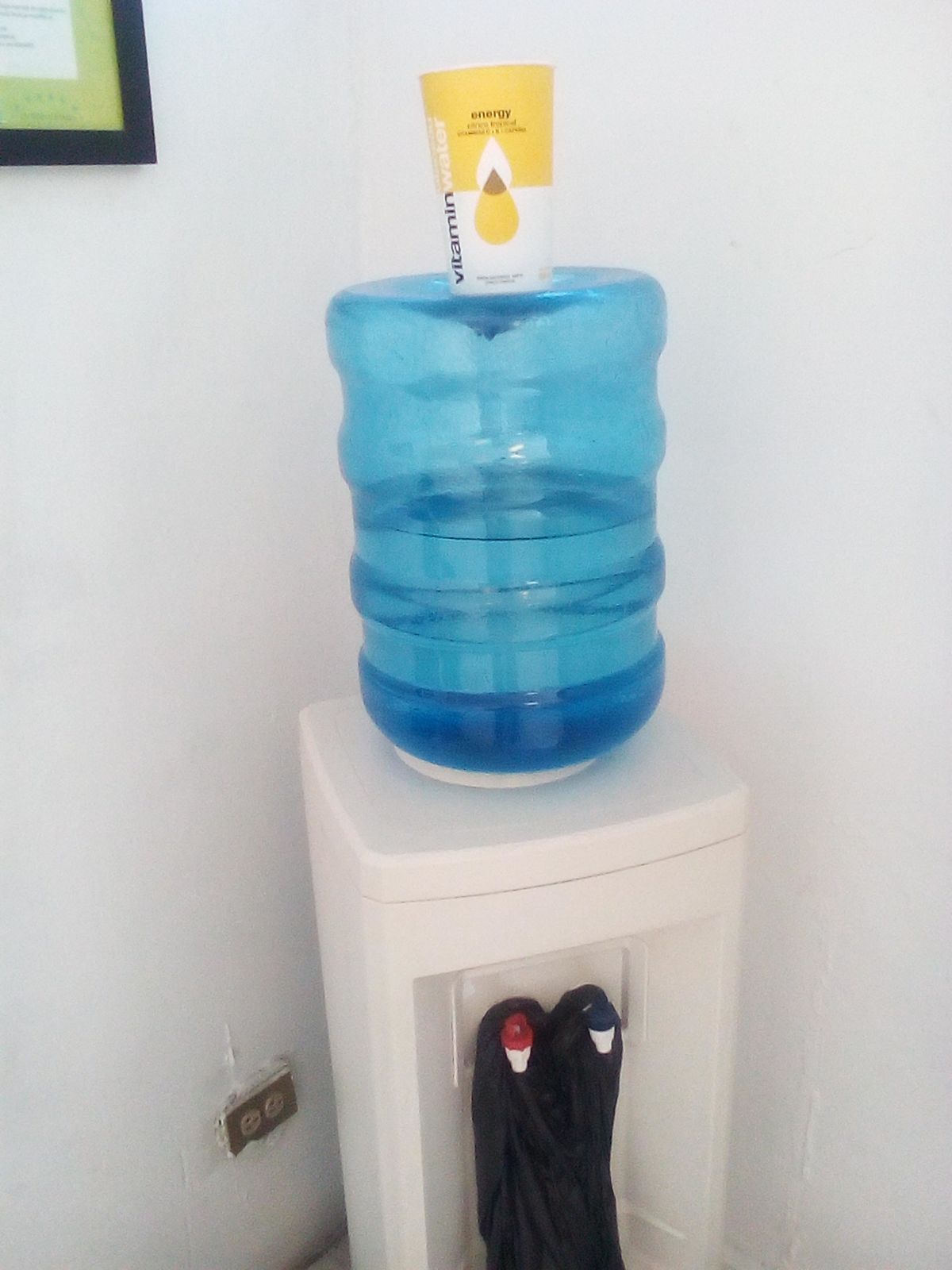
- Drink bottled or purified water. It's sold everywhere, from convenience stores to supermarkets, in bottles and in 20-litre jugs called garrafones. Many rentals and hotels supply a garrafón or a filtered dispenser — ask when you arrive.
- Brushing your teeth: the CDC recommends bottled or disinfected water. Plenty of visitors use the tap and are fine; if you want to play it safe, keep a bottle by the sink.
- Showering and washing: fine. Just don't swallow it.
- Cooking: boiling water makes it safe to drink.
Ice, juices and street food
Ice is the question everyone asks. Many bars and restaurants buy bagged ice made from purified water (hielo purificado). But the CDC's advice is to avoid ice unless you're reasonably sure it was made with safe water — and you can't tell by looking.
If you have a sensitive stomach, ask whether the ice is purified, or order drinks without it for the first few days. The same logic applies to fresh juices and aguas frescas: places with a steady crowd and visible purified-water jugs are a better bet.
Puerto Vallarta quick facts: airport, time zone, currency→If you do get an upset stomach
The CDC notes that travelers' diarrhea frequently affects visitors to Mexico; it usually passes in a few days. Drink plenty of bottled water or oral rehydration solution (suero oral, sold in every pharmacy). See a doctor if you have a high fever, blood in your stool, or symptoms that last more than a few days.
Bottom line: the city's water is genuinely good where it leaves the system. You're just not drinking it there — so stick to bottled.